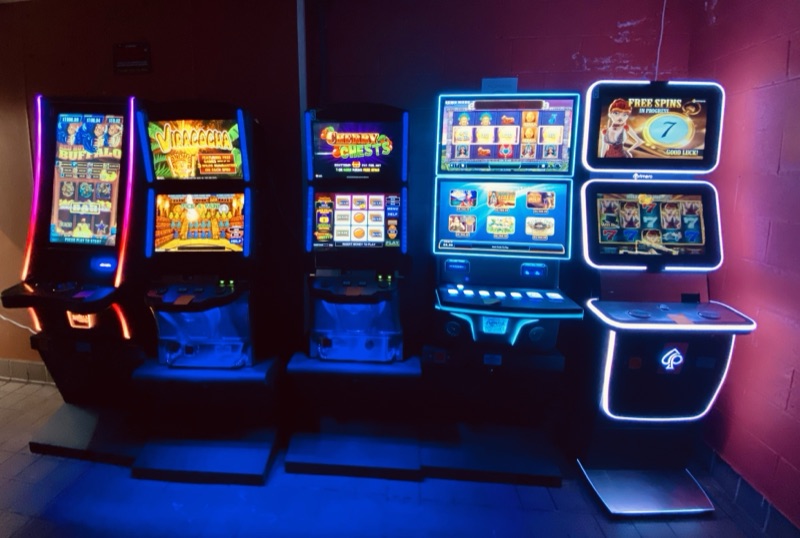
The Short Answer: Yes, Skill Games Are Legal in PA
As of early 2026, skill games are legal and operating throughout Pennsylvania. Approximately 80,000 machines are currently active in bars, restaurants, convenience stores, and game rooms across the state.
The legality was affirmed by a unanimous Commonwealth Court ruling in December 2023, which found that skill-based games are not gambling devices because they require player skill to determine outcomes.
Key Facts at a Glance
- Commonwealth Court ruled unanimously (Dec 2023): Skill games are legal
- Supreme Court heard arguments (Nov 2025): Final decision pending
- Current status: ~80,000 machines operating legally statewide
- No state license required: For skill games specifically
What Makes Skill Games Different from Slot Machines?
This is the central legal question that courts have examined. The key distinction is simple:
- Slot machines are pure games of chance — the outcome is random, and player input has no effect on whether you win or lose.
- Skill games require player decisions that directly affect the outcome. A skilled player will consistently outperform an unskilled player.
Skill games like those from Banilla, JVL, and Primero involve:
- Pattern recognition
- Timing-based gameplay
- Strategic decision-making
- Hand-eye coordination
Think of it like the difference between roulette (pure chance) and poker (skill influences outcomes). The court found that skill games fall into the skill category.
"POM machines are not slot machines... The games are not gambling devices because they require player skill to determine outcomes." — Pennsylvania Commonwealth Court, December 2023
Timeline: How We Got Here
Skill games begin appearing in Pennsylvania establishments. The industry grows as small businesses discover a new revenue stream.
Pennsylvania casinos and the Gaming Control Board challenge the legality of skill games, arguing they're unregulated gambling devices.
Legal battles intensify. Multiple cases work through the court system. Machines continue operating during litigation.
Landmark ruling: Commonwealth Court unanimously rules that skill games are legal games of skill, not gambling devices.
Case appealed to Pennsylvania Supreme Court. Industry continues normal operations during appeal.
Pennsylvania Supreme Court hears oral arguments. Decision expected in 2026.
Awaiting Supreme Court decision. 80,000+ machines continue operating legally throughout Pennsylvania.
What's Next? The Supreme Court Decision
The Pennsylvania Supreme Court heard oral arguments in November 2025 and is expected to issue a decision in 2026. There are several possible outcomes:
Scenario 1: Court Upholds Commonwealth Court (Most Likely)
If the Supreme Court agrees with the lower court's reasoning, skill games remain definitively legal. This would likely be followed by legislative efforts to regulate and tax the industry — bringing it into a formal framework similar to other gaming industries.
Scenario 2: Court Reverses (Less Likely)
If the court reverses the decision, there would likely be a transition period. However, many legal experts believe outright prohibition is unlikely. More probable is a regulatory framework that brings skill games under state oversight with taxation.
Scenario 3: Regulation Through Legislation
Regardless of the court outcome, the Pennsylvania legislature has shown interest in regulating and taxing skill games. Several proposals have circulated that would legalize skill games with a tax structure, potentially generating hundreds of millions in state revenue.
Ready to Add Skill Games to Your Business?
Join thousands of Pennsylvania businesses already earning extra income with skill games. Zero upfront cost, fast installation, and we handle everything.
Get Your Free ConsultationWhat This Means for Business Owners
If you're a bar, restaurant, convenience store, or game room owner in Pennsylvania, here's the practical takeaway:
You Can Operate Now
Skill games are legal and operating throughout the state. Thousands of businesses have added them and are generating significant supplemental income — typically $1,500 to $5,000+ per month depending on location and foot traffic.
Work with Reputable Distributors
Choose a distributor (like us) who:
- Carries established brands: Banilla, JVL, Primero
- Provides full service: installation, maintenance, collections
- Stays connected to legal developments
- Will guide you through any regulatory changes
No Special License Currently Required
Unlike casino gaming, there's no state gaming license required for skill games. You should ensure your business has standard permits and complies with local zoning, but there's no skill-game-specific licensing process.
Frequently Asked Questions
Can my business get in trouble for having skill games?
No. Skill games have been ruled legal by the Commonwealth Court, and that ruling remains in effect while the Supreme Court reviews the case. Law enforcement is not targeting businesses with legal skill games from established manufacturers.
What if the Supreme Court rules against skill games?
There would be a transition period. No one will show up the next day and confiscate machines. More importantly, reputable distributors will work with you through any changes. The most likely long-term outcome is regulation, not prohibition.
How do skill games compare to VGTs (Video Gaming Terminals)?
Pennsylvania doesn't have a VGT program like Illinois. Skill games fill that niche — providing similar revenue opportunities for small businesses without requiring a casino license.
Do players need to be 21?
Most establishments require players to be 21+, consistent with their liquor license requirements. Game rooms and other non-alcohol establishments may have different age policies.
The Bottom Line
Skill games are legal and thriving in Pennsylvania. The December 2023 Commonwealth Court ruling affirmed what the industry has maintained all along: these are games of skill, not chance, and they're legally distinct from gambling devices.
With a Supreme Court decision pending, now is still a great time to get started. The industry has operated continuously through years of legal challenges, and regardless of the outcome, some form of skill gaming is likely to remain part of Pennsylvania's small business landscape.
The question isn't really if skill games will continue — it's how they'll be regulated. And for business owners, that means opportunity.