The Casino Lobby's Skill Games Argument Is Falling Apart
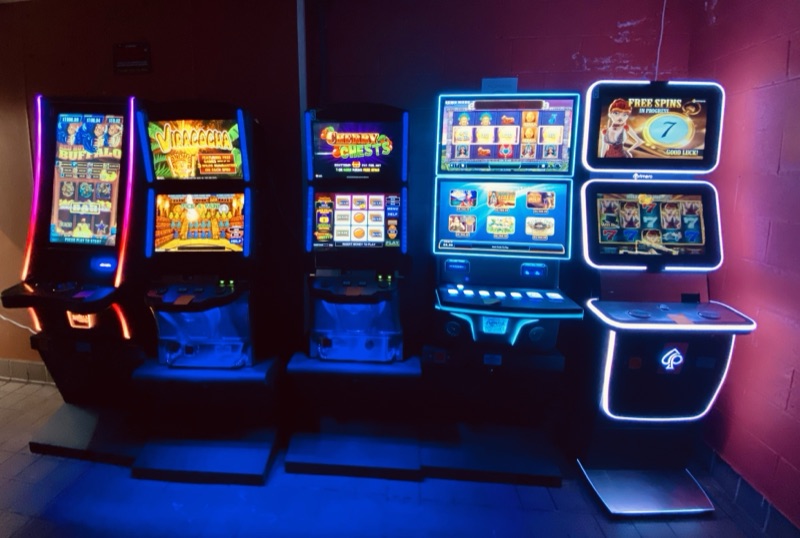
For years, Pennsylvania's licensed casino industry has hammered a consistent message in Harrisburg: skill games are cannibalizing their revenue, threatening casino jobs, and operating outside a fair regulatory framework. It's a compelling political narrative — and it's shaped every skill games debate in the General Assembly since 2017.
There's just one problem. The data doesn't back it up.
A recent op-ed in City & State Pennsylvania by Villanova University economist Peter Zaleski makes the case clearly: Pennsylvania casinos are struggling, yes — but skill games are not the reason. And as Harrisburg heads into yet another round of skill games legislation in 2026, operators and bar owners need to understand this argument. It's the same fight playing out behind the tax rate debate, and it directly affects what kind of deal eventually lands on Governor Shapiro's desk.
What the Numbers Actually Show
Skill games have been operating in Pennsylvania since approximately 2015. If they were truly draining casino revenues, you would expect signs of casino distress to have appeared shortly after. They didn't. From 2015 through 2019, Pennsylvania casino revenues were stable, and no meaningful pattern of casino job losses was attributed to skill game competition.
The real disruption arrived in two waves.
First: online gambling launched in Pennsylvania in 2019. For the first time, players could access casino-style games from their phones at any hour, without travel. The convenience advantage is hard to overstate — no parking, no drive, no minimum drink purchase. Online gambling quickly grew into a multi-billion-dollar industry in the state.
Second: COVID-19 hit in 2020, forcing all Pennsylvania casinos to temporarily close. Even after reopening, many customers had shifted their habits permanently to online platforms. You can't win back a player who discovered they prefer gambling from their couch.
The state's own problem gambling helpline data underscores the shift. In fiscal year 2025:
| Gaming Category | Share of Helpline Calls (FY2025) |
|---|---|
| Internet / Online Gambling | 37% — largest single category |
| Traditional Casino-Style Gambling | 27% |
| Skill Games | 4% |
Online gambling generates nearly ten times the problem gambling contacts that skill games do — and it directly competes with the in-person casino experience. Skill games, by contrast, operate in bars, convenience stores, and small businesses. They're not drawing the casino customer who would otherwise drive to Valley Forge or Rivers Casino on a Saturday night.
"The evidence shows that the challenges confronting brick-and-mortar casinos have far more to do with players shifting to online gambling, as well as the aftershocks of the pandemic — still being felt — than with the presence of skill games." — Peter Zaleski, Villanova University
Why the Casino Lobby Keeps Making This Argument Anyway
If the data doesn't support the narrative, why does it persist? Because in Harrisburg, legislative influence isn't determined by academic papers — it's determined by who shows up with the most organized lobbying operation and the most at stake financially.
Pennsylvania's licensed casino industry is among the most powerful lobbying forces in the state capitol. Casinos hold exclusive licenses that required enormous upfront investment, and those licenses came with a regulatory monopoly on certain forms of gaming. Skill games — operating outside that framework, in tens of thousands of locations casinos could never match — represent both a competitive irritant and a threat to the political arrangement that gave casinos their privileged position.
The casino lobby's preferred outcome has never been simply "regulate skill games." It's "regulate them in a way that either eliminates them or makes them uneconomical." That's why the casino industry has historically pushed for high tax rates and stringent location caps — not just a level playing field.
Governor Shapiro's 52% gross terminal revenue tax proposal, combined with a 40,000-machine cap statewide (versus an estimated 80,000+ currently operating), would effectively force half of all existing skill game machines off the market. Whether intentional or not, that outcome aligns closely with what casino lobbyists have sought for years.
The Tax Rate Debate: More Than Just Numbers
Understanding the casino lobby's role in this fight helps explain why the 52% vs. 35% tax rate debate is so contentious — and why it keeps stalling in the General Assembly.
Governor Shapiro has proposed 52% of gross terminal revenue, which would generate the IFO's projected $1.1 billion annually once the 40,000-machine cap is reached. Senate Republicans have pushed back, proposing rates closer to 35% — still substantial, but far more survivable for small operators.
Here's what that difference looks like on the ground for a typical PA bar or convenience store with two machines:
| Scenario | Monthly Revenue (2 machines) | 52% Tax Owed | 35% Tax Owed |
|---|---|---|---|
| Conservative | $6,000 | $3,120 | $2,100 |
| Moderate | $10,000 | $5,200 | $3,500 |
| Strong | $16,000 | $8,320 | $5,600 |
The IFO's own analysis projects that about $905 million of the total tax burden under Shapiro's plan would fall on Pennsylvania businesses — operators and host establishments — with roughly $370 million of that passed on to players through lower payouts and higher prices on food and drinks. In other words, the 52% rate isn't just a tax on skill game companies. It reshapes the economics of every bar and convenience store running these machines.
What Operators Should Take Away From This
For Pennsylvania bar owners, restaurant operators, and skill game distributors watching the 2026 legislative session, the casino lobby vs. skill games dynamic has a few practical implications:
1. The Legislative Fight Is About Market Share, Not Public Safety
Arguments framed around problem gambling and consumer protection are worth monitoring, but the academic evidence — including the helpline data showing skill games at just 4% of problem gambling contacts — weakens that case. The core of the fight is economic and political. Expect the debate to drag on as long as casino lobbyists have leverage in Harrisburg.
2. A High Tax Rate Would Reshape Your Business Model
Under the 52% proposal, many small operators would need to significantly renegotiate their revenue-share arrangements with distributors just to remain profitable. Under the 35% Senate alternative, the math works more cleanly. Follow the rate negotiations closely — this number matters more to your bottom line than almost anything else in this bill.
3. Regulation Is Coming Either Way
Despite the stalling, the trajectory is clear: Shapiro has now proposed skill game regulation in back-to-back budgets. The Pennsylvania Supreme Court case continues to create legal uncertainty that pushes legislators toward action. Regardless of the final tax rate, some form of regulated framework is the most likely outcome in 2026 or 2027. Operators who prepare now — understanding compliance requirements, location caps, and revenue model adjustments — will be in the strongest position when the rules arrive.
4. The Machine Cap Is a Critical Variable
The 40,000-machine cap embedded in Shapiro's proposal is arguably more consequential than the tax rate for the industry's overall scale. With an estimated 80,000+ machines currently operating, a cap at 40,000 means a dramatic contraction. Watch whether Senate Republicans propose a higher cap or a phased approach — that negotiation will determine whether skill games remain a thriving industry or a constrained niche.
The Bottom Line
Pennsylvania casinos are struggling — but the evidence points to online gambling and pandemic-era behavior changes as the primary causes, not skill game competition. The casino lobby's narrative in Harrisburg persists because of political and economic influence, not data.
For operators in bars, taverns, and convenience stores across the commonwealth, understanding this dynamic helps decode what's really being fought over in the state capitol. The tax rate, the machine cap, and the timeline for implementation are all being shaped by forces that have more to do with casino industry market protection than with any objective analysis of skill games' impact.
The best response for operators is simple: stay informed, build relationships with compliant distributors, and be ready to operate within a regulated framework when it arrives. Businesses that treat that transition as an opportunity — not a crisis — will come out ahead.
Ready to Operate Under Any Framework?
We work with PA operators to place compliant skill game machines and structure revenue agreements built to survive regulation. Get a free consultation to understand your options before the rules change.
Get a Free Quote