Three Proposals, One Goal: Regulate and Tax
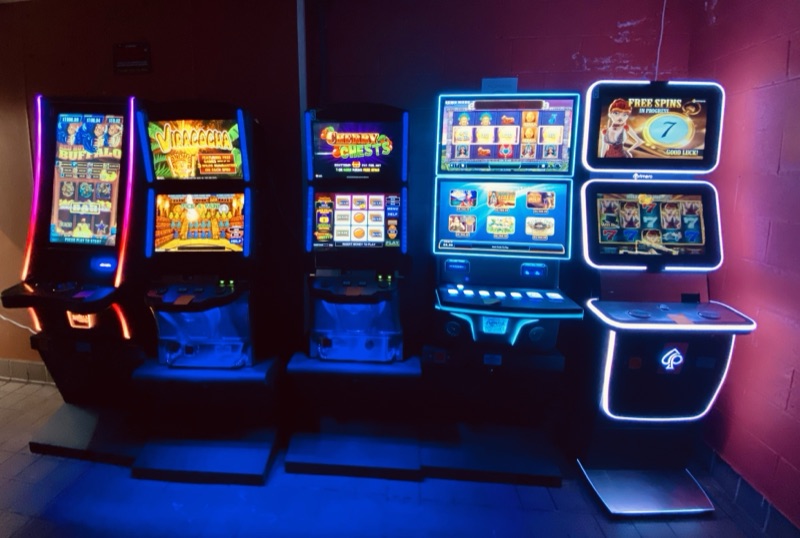
After years of legal battles and legislative inaction, 2026 is shaping up to be the year Pennsylvania finally addresses skill games through formal regulation. The good news for operators: every proposal on the table keeps skill games legal. The debate is not about banning machines. It is about how to regulate them and how much revenue the state can capture.
Let's break down each of the three major proposals and what they would mean for your bottom line.
The Big Picture
- Skill games are legal and operating today across Pennsylvania
- Three competing proposals aim to regulate and tax the industry
- ~80,000 machines currently active statewide
- Regulation means legitimacy for operators, not shutdown
- Budget deadline June 30, 2026 is the most likely vehicle for legislation
Governor Shapiro's Budget Proposal
For the second year running, Governor Josh Shapiro has included skill games in his state budget proposal for 2026-27. His plan takes a casino-style regulatory approach with the following key provisions:
- 52% tax on gross machine revenue -- one of the highest proposed rates in the country
- 40,000 machine cap statewide -- meaning roughly half of the estimated 80,000 currently operating machines would need to be removed
- PA Gaming Control Board (PGCB) oversight -- the same body that regulates casinos would oversee skill games
- Maximum 5 machines per location -- limiting how many machines any single business can host
The 52% tax rate has drawn criticism from industry groups who argue it would make many locations unprofitable, particularly lower-traffic establishments. For comparison, Pennsylvania's casino slot tax is 54%, and the governor's proposal would place skill games in a nearly identical tax bracket despite the much lower overhead of a bar or convenience store compared to a casino floor.
Senate Bill 1079: The Yaw-Williams Bipartisan Approach
Introduced in October 2025 by Senator Gene Yaw (R) and Senator Anthony Williams (D), Senate Bill 1079 takes a fundamentally different approach from the governor's plan. Many industry observers consider it the most operator-friendly proposal currently on the table.
Key Provisions of SB 1079
- $500 per month flat fee per machine -- a predictable, fixed cost rather than a percentage-based revenue tax
- Department of Revenue oversight -- not the Gaming Control Board, signaling that skill games would be treated as a tax-and-regulate matter rather than a casino-style gaming issue
- Centralized state monitoring system -- all machines must connect to a state-run network for transparency and compliance
- ID verification required -- age verification at the machine level
- Games must be secondary revenue -- skill games cannot be the primary business; they must supplement an existing operation like a bar, restaurant, or store
- Penalties for illegal operators and nuisance locations -- targeting bad actors while protecting legitimate businesses
SB 1079 is projected to raise approximately $300 million per year for the state. Revenue would be directed to public transit, infrastructure, and the Clean Streams Fund.
The flat-fee model is significant for operators. With a $500 monthly fee, you know exactly what your cost is regardless of whether the machine earns $2,000 or $10,000 that month. Under Shapiro's 52% gross revenue tax, a machine earning $5,000 would owe $2,600 to the state, compared to just $500 under SB 1079.
Rep. Burgos's Alternative Proposal
Representative Danilo Burgos (D-Philadelphia) has introduced a third option that shares some features with SB 1079 but with a higher machine cap:
- $500 per month per machine -- matching SB 1079's flat-fee structure
- 50,000 machine cap statewide -- 10,000 more than Shapiro's plan but still well below the current estimated count of 80,000
- Projected $300 million per year in revenue
The Burgos proposal sits between Shapiro's more restrictive plan and the current unregulated environment. The higher machine cap would allow more businesses to keep their machines, but roughly 30,000 machines would still need to come off the market if the cap is enforced.
Position Your Business Now
Businesses with established skill game operations will be in the strongest position when regulation passes. Get set up today with zero upfront cost.
Get Your Free ConsultationThe Supreme Court Factor
Hanging over all of this legislative maneuvering is a pending Pennsylvania Supreme Court decision that could reshape the entire landscape. The court heard oral arguments in November 2025 on the fundamental question: are skill games illegal gambling devices?
A ruling is expected sometime in 2026, and the outcome will heavily influence which legislative path Harrisburg takes.
If the Court Rules Skill Games Are Illegal
Approximately 80,000 machines across the state could face shutdown, which would immediately devastate revenue for thousands of small businesses. This scenario would create enormous pressure on the legislature to act fast, likely accelerating passage of a regulatory framework. In other words, a negative ruling does not necessarily mean the end of skill games. It means the legislature would be forced to legalize and regulate them through statute rather than relying on court precedent.
If the Court Rules Skill Games Are Legal
Machines continue operating as they do today. The urgency for legislation decreases, but the tax revenue argument remains compelling. With the state looking at $300 million or more per year in potential revenue, lawmakers are unlikely to leave that money on the table indefinitely.
Key Dates to Watch
Legislative committees debate the three proposals. Industry lobbying intensifies. Supreme Court decision could come at any time.
Budget negotiation window. This is the most likely vehicle for skill game legislation, as the revenue projections make it an attractive piece of the budget puzzle.
State budget deadline. If skill games are included in the budget deal, a framework could be signed into law by this date.
Legislative session ends. If skill games are not addressed in the budget, this is the final deadline for standalone legislation in the current session.
Most likely timeline for implementation of any new regulatory framework, including licensing, monitoring systems, and tax collection infrastructure.
What This Means for Your Business
If you are a bar owner, restaurant operator, convenience store owner, or anyone currently hosting or considering skill games, here is what you need to know right now.
Skill Games Are Still Legal and Operating Today
Nothing has changed on the ground. Machines are running, businesses are earning revenue, and there is no enforcement action against legitimate operators. The Commonwealth Court's 2023 ruling that skill games are legal remains in effect.
Regulation Means Legitimacy, Not Shutdown
Every proposal on the table aims to keep skill games operating. Regulation brings structure, oversight, and legal certainty. For operators who have been in a gray area, a clear regulatory framework is actually a positive development. It protects you from future legal challenges and creates a level playing field.
Established Businesses Will Have an Advantage
When regulation passes, businesses with existing skill game operations will likely be in the strongest position. Machine caps mean not everyone will get machines. Businesses that are already set up, have a track record, and work with reputable distributors will be better positioned for licensing and grandfathering provisions.
Now Is the Time to Get Positioned
Waiting until legislation passes means competing with a rush of new applicants under a machine cap. Getting established now means you have operating history, an existing relationship with a distributor, and a proven location. These factors will matter when licenses are being awarded.
Work with a Distributor Who Tracks Legal Developments
The legislative landscape is moving fast. You need a distribution partner who understands the regulatory environment, maintains compliant equipment, and will guide you through whatever framework emerges. Cheap machines from unknown providers will be a liability when the state starts enforcing compliance standards.
Frequently Asked Questions
Will skill games be banned in Pennsylvania?
No. All three major proposals in Harrisburg aim to regulate and tax skill games, not ban them. The legislative direction is clear: Pennsylvania wants the revenue that comes with a regulated skill game industry. Even if the Supreme Court rules unfavorably, the legislature is positioned to create a legal framework that keeps machines operating.
Will I need a license to operate skill games?
Likely yes, under any regulatory framework that passes. Senate Bill 1079 requires all machines to be connected to a centralized state monitoring system and includes ID verification requirements. Shapiro's plan would place oversight under the PA Gaming Control Board. Regardless of which proposal moves forward, some form of registration or licensing is expected.
How much will it cost to keep my machines?
It depends on which proposal passes. SB 1079 and the Burgos plan both propose a $500 per month flat fee per machine. Governor Shapiro's plan proposes a 52% tax on gross machine revenue. For most operators, the flat fee model is more predictable and more favorable, especially for higher-earning locations.
When will new regulations take effect?
The earliest would be late 2026, if skill games are included in the budget deal by the June 30 deadline. However, implementation of licensing systems, monitoring infrastructure, and tax collection will take time. Most industry observers expect a more realistic start date of 2027 for full regulatory compliance.
The Bottom Line
Pennsylvania's skill game industry is heading toward regulation, and that is a good thing for legitimate operators. The question is not whether skill games will survive -- it is how they will be structured, taxed, and overseen.
For business owners, the message is straightforward: skill games are legal today, regulation is coming, and getting established now puts you ahead of the curve. Whether Harrisburg goes with SB 1079's flat fee, Shapiro's casino-style tax, or some compromise in between, businesses with machines already in place and a reputable distributor behind them will be in the best position.
We are tracking every development in Harrisburg and will keep our partners informed as legislation moves forward. If you have questions about how these proposals affect your specific situation, reach out to us.